-
The Future of Payroll Management: HRMS Payroll Software Explained
Introduction
Payroll management is an essential function of any business, but managing payroll processes can be complex and time-consuming. Fortunately, advancements in technology have made it possible to automate many aspects of payroll management, improving efficiency and accuracy while reducing the risk of errors. One such technological advancement is HRMS payroll software, which is becoming increasingly popular among businesses of all sizes. In this article, we will explore the future of payroll management and how HRMS payroll software is shaping the way businesses manage their payroll processes.
The Current State of Payroll Management
Before we dive into the future of payroll management, let’s first take a look at the current state of payroll management. Traditionally, payroll processing has been a manual and time-consuming process. It involves calculating employee wages and salaries, processing deductions and benefits, and generating paychecks. This process can be prone to errors, and the administrative burden can be overwhelming for HR staff. Additionally, changing regulations and compliance requirements can make it difficult for businesses to stay up-to-date with the latest payroll laws and regulations.
The Future of Payroll Management
The future of payroll management lies in automation and integration. Advances in technology have made it possible to automate many aspects of payroll management, reducing the risk of errors and increasing efficiency. HRMS payroll software is a prime example of this trend, offering a comprehensive and automated solution for managing payroll processes.
Features of HRMS Payroll Software
HRMS payroll software offers a range of features that can help businesses manage their payroll processes more efficiently. These features include:
Payroll processing automation: HRMS payroll software automates payroll processing tasks, including calculating employee wages and salaries, processing deductions and benefits, and generating paychecks. This eliminates the need for manual calculations, reducing the risk of errors and saving time.
Tax compliance and reporting: HRMS payroll software can help businesses stay compliant with tax laws and regulations by automatically calculating and deducting taxes from employee wages and salaries. It can also generate reports and forms required by tax authorities.
Benefits and deductions management: HRMS payroll software can manage employee benefits and deductions, including health insurance, retirement plans, and paid time off. It can also calculate the cost of benefits and deductions and track their impact on employee wages and salaries.
Time and attendance tracking: HRMS payroll software can integrate with time and attendance tracking systems to ensure that employee hours are accurately recorded and tracked. This can help businesses manage overtime and ensure that employees are paid accurately for their work.
Employee self-service portals: HRMS payroll software often includes employee self-service portals that allow employees to access and manage their own payroll information. This can reduce the administrative burden on HR staff and provide employees with more control over their payroll information.
Benefits of HRMS Payroll Software
The benefits of HRMS payroll software are numerous and significant. Here are a few key benefits:
Improved accuracy and efficiency: HRMS payroll software eliminates the need for manual calculations, reducing the risk of errors and saving time. This can help businesses process payroll more efficiently and accurately.
Increased compliance with regulations: HRMS payroll software can help businesses stay up-to-date with changing regulations and compliance requirements, reducing the risk of penalties and legal disputes.
Cost savings: HRMS payroll software can reduce the administrative burden on HR staff, freeing them up to focus on other important tasks. This can help businesses save money on labor costs.
Data security and privacy: HRMS payroll software stores sensitive payroll information securely, reducing the risk of data breaches and ensuring compliance with privacy regulations.
Customization and scalability: HRMS payroll software can be customized to meet the unique needs of each business.
-
What is Staffing? Benefits and Importance
Staffing is the process of finding, selecting, and hiring employees for an organization. It is a crucial function of human resource management that involves the management of personnel within an organization to ensure that the right people are in the right jobs at the right time. Staffing is essential for any organization as it can help ensure the smooth functioning of the business and the achievement of organizational goals. In this article, we will discuss what staffing is and its benefits and importance.
What is Staffing?
Staffing is a comprehensive process that involves the recruitment, selection, training, and development of employees. It is the process of acquiring, deploying, and retaining a workforce of sufficient quantity and quality to create positive impacts on an organization’s effectiveness. Staffing includes planning for staffing needs, recruiting qualified candidates, selecting the most suitable candidates, training and developing employees, and managing their performance.
Benefits of Staffing
- Better Organizational Performance
The primary benefit of staffing is that it helps an organization achieve better performance. Hiring employees with the right skills and experience can lead to increased productivity, better customer service, and improved efficiency. A well-staffed organization can operate more smoothly, deliver products or services more efficiently, and meet customer needs more effectively.
- Improved Employee Retention
Effective staffing can also improve employee retention rates. When employees are well-trained and feel valued, they are more likely to stay with an organization for a longer period. This can save an organization time and money that would otherwise be spent on recruiting and training new employees.
- Cost-Effective
Staffing can also be cost-effective. Hiring the right employees can reduce turnover rates, which can reduce recruitment and training costs. It can also improve productivity and efficiency, which can reduce costs associated with delays or errors.
Importance of Staffing
- Strategic Advantage
Staffing is essential for organizations to gain a strategic advantage. Hiring the right people can give an organization an edge over its competitors. Organizations that invest in staffing can create a competitive advantage by hiring the best talent, training and developing their employees, and improving their performance.
- Meeting Organizational Objectives
Staffing is also important for meeting organizational objectives. An organization’s success is dependent on having the right people in the right jobs at the right time. Staffing can help ensure that an organization has the necessary workforce to meet its goals and objectives.
- Legal Compliance
Staffing is crucial for legal compliance. Organizations must comply with various labor laws and regulations when hiring and managing employees. A comprehensive staffing process can help ensure that an organization is complying with these laws and regulations, reducing the risk of legal issues and penalties.
Conclusion
Staffing is a critical function of human resource management that involves the acquisition, deployment, and retention of a workforce. It is essential for organizations to achieve their goals and objectives, gain a competitive advantage, and comply with labor laws and regulations. Effective staffing can lead to better organizational performance, improved employee retention, and cost-effectiveness. Therefore, organizations must invest in staffing to succeed in today’s highly competitive business environment.
-
HR Services: A Comprehensive Guide

Human Resource (HR) services are an essential aspect of any organization. HR services play a crucial role in attracting, retaining, and managing the workforce of an organization. With the increasing complexity of HR functions, many organizations choose to outsource HR services to specialized firms that offer comprehensive HR solutions. In this article, we will discuss the various HR services that organizations can avail of and how they can benefit from them.
Recruitment Services
Recruitment is one of the primary HR functions, and it can be a time-consuming and expensive process. HR services in Pune offer recruitment services that help organizations find the right talent for their company. These services can include sourcing candidates, conducting interviews, and verifying their credentials. HR services can also help organizations build a strong employer brand, which can attract top talent.
Payroll Services
Payroll management can be a complicated and tedious process. HR services in Pune offer payroll services that can help organizations manage their payroll efficiently. These services can include processing payroll, maintaining records, and ensuring compliance with tax regulations. Payroll services can help organizations save time and reduce errors while ensuring timely and accurate payments to their employees.
Employee Benefits Management
Employee benefits are an essential aspect of employee retention. HR services in Pune offer employee benefits management services that help organizations design, implement, and manage employee benefits programs.
-
Temp Staffing: An Overview of the Concept and Benefits

Temp staffing refers to the practice of hiring temporary workers to perform specific tasks or fill in for regular employees who are absent. The use of temporary staffing has become increasingly popular in recent years, as companies seek to minimize costs and increase flexibility in their workforce. In this article, we will provide an overview of temp staffing and highlight its benefits.
What is Temp Staffing?
Temp staffing involves hiring workers on a short-term basis, typically for a specific project or period of time. These workers are typically employed by staffing agencies, who are responsible for recruiting, hiring, and managing their temporary workforce. Companies that use temp staffing can avoid the costs associated with hiring and training full-time employees, while still being able to meet their staffing needs.
Benefits of Temp Staffing
- Cost Savings: One of the primary benefits of temp staffing is cost savings. Companies can avoid the costs associated with hiring and training full-time employees, such as health insurance, retirement benefits, and paid time off. This can result in significant savings, particularly for small businesses.
- Flexibility: Temp staffing provides companies with the flexibility to quickly adjust their workforce based on their staffing needs. This is particularly useful for companies that experience seasonal fluctuations in demand or need to quickly ramp up staffing for specific projects.
- Reduced Risk: Temp staffing companies can help businesses reduce their risk by avoiding the costs associated with hiring and firing employees. Staffing agencies are responsible for recruiting, hiring, and managing their temporary workforce, which can reduce the risk of lawsuits and other legal issues.
- Access to Talent: Temp staffing can provide companies with access to a wider pool of talent. Staffing agencies have access to a large network of job seekers, which can help companies find the right candidates for their staffing needs.
- Improved Productivity: Temp staffing can help improve productivity by providing companies with workers who are specifically trained for the job. This can result in faster completion times and higher quality work.
Conclusion
Temp staffing can provide companies with a cost-effective and flexible way to meet their staffing needs. By working with staffing agencies, companies can access a wide pool of talent and reduce the risks associated with hiring and firing employees. Ultimately, temp staffing can help companies improve their productivity and stay competitive in today’s fast-paced business environment.
-
Skill India Apprentice: A Guide to the Program
Skill India Apprentice is an initiative launched by the Government of India to provide vocational training and employment opportunities to youth. The program aims to create a skilled workforce in India by providing apprenticeship training in various industries. Here’s a guide to the Skill India Apprentice program:
What is Skill India Apprentice?
Skill India Apprentice is a program launched by the Ministry of Skill Development and Entrepreneurship (MSDE) under the National Apprenticeship Promotion Scheme (NAPS). The program provides apprenticeship training to youth to enhance their employability and bridge the skill gap in various industries.
Who is eligible for the program?
Any Indian citizen who has completed 14 years of age and has a minimum educational qualification of 8th standard can apply for the program. However, the eligibility criteria may vary for different trades and industries.
How does the program work?
Under the Skill India Apprentice program, youth are trained in various trades through on-the-job training (OJT) and classroom training. The apprenticeship training duration varies from 6 months to 3 years, depending on the industry and trade. During the training period, apprentices receive a stipend which is a percentage of the minimum wage of the respective industry.
Top 10 Benefits of Skill India Apprentice program
The Skill India Apprentice program offers several benefits to youth, such as:
1. Practical training: Apprenticeship training provides hands-on experience and practical knowledge of the industry, which is essential for employment.
2. Industry recognition: Apprenticeship training enhances the employability of youth as they receive recognition from the industry after completion of the training.
3. Stipend: Apprentices receive a stipend during the training period, which helps them to support their livelihood.
4. Skill development: The program aims to bridge the skill gap in various industries by providing vocational training to youth.
5. Improved employability: Apprenticeship training enhances the employability of youth, making them more attractive to employers.
6. Networking opportunities: Apprentices have the opportunity to build relationships with professionals in their chosen industry.
7. Enhanced career prospects: Apprenticeship training helps youth develop the skills and knowledge necessary for career advancement.
8. Higher earnings potential: Apprentices who complete the training program have the potential to earn higher salaries compared to those without vocational training.
9. Increased job security: Apprentices who complete the training program have better job security due to their improved skillset.
10. Contribution to national development: The program helps in creating a skilled workforce in India, which contributes to the country’s economic development.
How to apply for the program?
The Skill India Apprentice program can be applied through the official website of MSDE or the National Apprenticeship Training Scheme (NATS) portal. The interested candidates can register themselves on the portal, fill the application form, and select the trade they want to pursue.
Conclusion
Skill India Apprentice is a commendable initiative by the Government of India to promote skill development and employment opportunities among the youth. The program provides practical training, industry recognition, stipend, and skill development, which makes it a lucrative option for the youth to enhance their employability. With the increasing demand for skilled professionals in various industries, the Skill India Apprentice program can play a vital role in creating a skilled workforce in India.
Frequently Asked Questions
Q: Who is eligible for the program?
A: Any Indian citizen who has completed 14 years of age and has a minimum educational qualification of 8th standard can apply for the program. However, the eligibility criteria may vary for different trades and industries.
Q: How long is the apprenticeship training program?
A: The apprenticeship training duration varies from 6 months to 3 years, depending on the industry and trade.
Q: Is the apprenticeship training paid?
A: Yes, apprentices receive a stipend during the training period, which is a percentage of the minimum wage of the respective industry.
Q: What are the benefits of the program?
A: The program offers several benefits such as practical training, industry recognition, stipend, skill development, improved employability, networking opportunities, enhanced career prospects, higher earnings potential, increased job security, and contribution to national development.
Q: How can I apply for the program?
A: The Skill India Apprentice program can be applied through the official website of MSDE or the National Apprenticeship Training Scheme (NATS) portal. The interested candidates can register themselves on the portal, fill the application form, and select the trade they want to pursue.
Q: What kind of trades are available for apprenticeship training?
A: The program offers apprenticeship training in various trades such as automotive, construction, electronics, hospitality, IT, healthcare, and many others.
Q: Can an apprentice be absorbed by the industry after completing the training?
A: Yes, the industry may absorb the apprentices after the completion of the training based on their performance and requirement.
-
All you need to Know about Executive Search

Executive search is a specialized service offered by recruitment agencies that is designed to help organizations find and hire highly skilled and experienced executives to fill top-level positions within their companies. These positions typically include C-level executives such as CEOs, CFOs, COOs, and CIOs, as well as other high-level executives with specialized skills and experience.
Executive search services are often used by organizations that are looking to fill highly specialized or critical positions that are difficult to fill through traditional recruitment methods. In this article, we’ll take a closer look at executive search, including how it works, its benefits, and its potential drawbacks.
What is Executive Search?
Executive search, also known as headhunting, is a recruitment method that involves identifying, attracting, and recruiting highly skilled executives to fill top-level positions within an organization. Unlike traditional recruitment methods, which rely on job postings and other passive methods to attract candidates, executive search is an active process that involves reaching out to highly skilled candidates who may not be actively looking for a new job.
How Does Executive Search Work?
Executive search typically involves several steps, including:
- Identifying the client’s needs: The executive search agency will work closely with the client to identify their specific needs, including the position they are looking to fill, the required qualifications, and any other specific requirements.
- Developing a search strategy: Based on the client’s needs, the executive search agency will develop a targeted search strategy designed to identify and attract highly skilled candidates with the necessary qualifications and experience.
- Identifying potential candidates: Using a range of tools and resources, including online databases, social media, and personal networks, the executive search agency will identify potential candidates who meet the client’s specific requirements.
- Evaluating candidates: The executive search agency will evaluate each candidate based on their skills, experience, and fit with the client’s organizational culture.
- Presenting candidates to the client: The executive search agency will present a shortlist of highly qualified candidates to the client, who will then interview them and make a final decision.
Benefits of Executive Search
There are several benefits to using executive search services, including:
- Access to highly skilled candidates: Executive search agencies have access to a large pool of highly skilled and experienced candidates, many of whom may not be actively looking for a new job.
- Customized search strategy: Executive search agencies work closely with clients to develop a targeted search strategy that is tailored to their specific needs, ensuring that they find the best possible candidates for the job.
- Expertise and experience: Executive search agencies have expertise and experience in identifying and attracting highly skilled candidates, which can be especially valuable for filling critical or hard-to-fill positions.
- Confidentiality: Executive search agencies can help clients maintain confidentiality throughout the hiring process, which can be especially important for filling sensitive or high-profile positions.
Drawbacks of Executive Search
While there are many benefits to using executive search services, there are also some potential drawbacks, including:
- Cost: Executive search services can be expensive, especially for highly specialized or hard-to-fill positions.
- Time-consuming: Executive search can be a time-consuming process, especially for highly specialized or hard-to-fill positions, which can be a challenge for organizations that need to fill positions quickly.
- Limited pool of candidates: While executive search agencies have access to a large pool of highly skilled candidates, they may not be able to identify every potential candidate for a particular position.
Conclusion
Overall, executive search can be an effective recruitment method for organizations that are looking to fill highly specialized or critical positions with highly skilled and experienced executives. By working closely with an executive search agency, organizations can develop a targeted search strategy that is tailored to their specific needs and find the best possible candidates for the job. While there are some potential drawbacks to using
-
What are the Benefits of Payroll Management System
Introduction
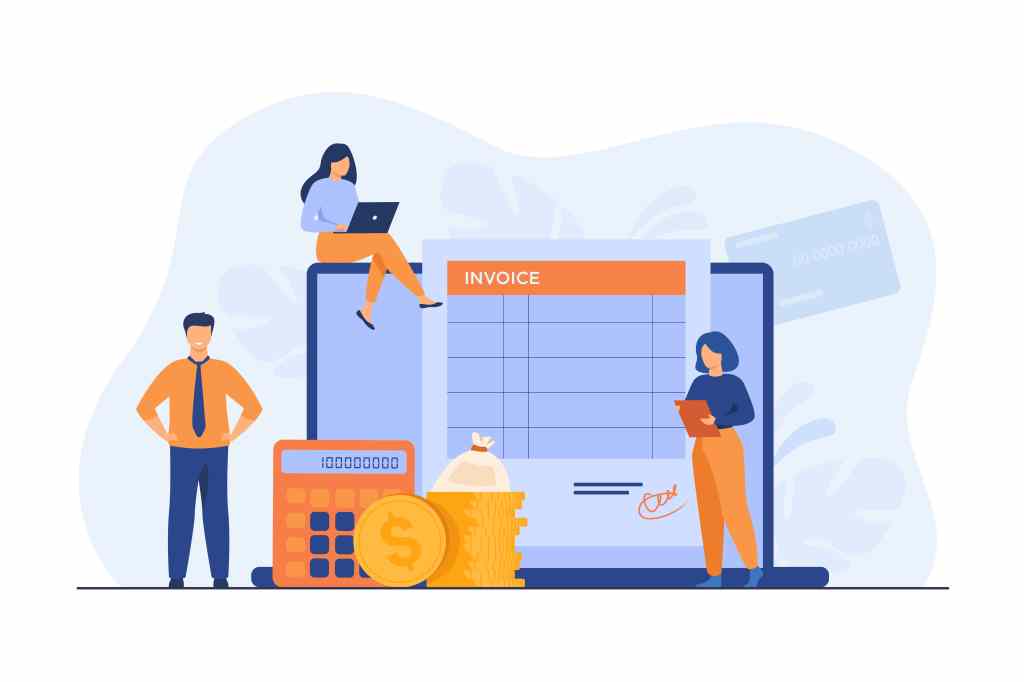
Payroll management system is a software application designed to manage and automate the process of paying employees. It allows companies to efficiently calculate and process employee salaries, taxes, and other deductions. In this article, we will explore the features and benefits of payroll management system.
Features of Payroll Management System:
- Employee Information Management: A payroll management system allows you to store and manage all employee information such as personal details, salary structure, leave balances, and attendance records in one central location.
- Calculation of Payroll: The system calculates employee salaries, taxes, deductions, and other allowances based on pre-defined rules and regulations. This ensures accurate and timely payments to employees.
- Tax Management: The software manages tax calculations, generates tax forms, and handles tax filings. This ensures compliance with tax regulations and reduces the risk of penalties.
- Time and Attendance Management: The system tracks employee attendance, leaves, and time-off requests. This helps to manage employee schedules and plan for staffing needs.
- Reporting: The software provides reports and analytics on payroll data, employee performance, and other key metrics. This allows companies to make informed decisions and improve their processes.
Benefits of Payroll Management System:
- Time and Cost Savings: The system automates the payroll process, reducing the need for manual data entry and calculations. This saves time and reduces the risk of errors, which can result in cost savings.
- Compliance: The system ensures compliance with legal and regulatory requirements, reducing the risk of penalties and fines.
- Improved Accuracy: The system reduces the risk of errors in payroll calculations and tax filings. This ensures accurate and timely payments to employees.
- Data Security: The system ensures the security of employee data by restricting access to authorized users only.
- Employee Self-Service: Some payroll management systems offer employee self-service portals, allowing employees to view their pay stubs, tax forms, and other information online. This improves employee satisfaction and reduces administrative work for HR.
Conclusion:
Payroll management system is a valuable tool for companies to manage their payroll processes efficiently and accurately. It reduces the risk of errors and non-compliance, saves time and costs, and improves employee satisfaction. By implementing a payroll management system, companies can streamline their processes and focus on their core business operations.
-
What is Statutory Compliance in HR

Statutory compliance in HR refers to the adherence of HR policies and procedures as mandated by federal, state, and local laws. HR compliance ensures that an organization complies with laws and regulations related to labor laws, employment practices, safety, and health standards, and other related areas. Failing to adhere to these regulations can result in hefty fines and penalties, as well as damage the company’s reputation. In this article, we will discuss the importance of statutory compliance in HR, the key areas that require compliance, and best practices for ensuring compliance.
Importance of Statutory Compliance in HR
Compliance with statutory requirements in HR is essential for the following reasons:
- Legal Compliance: Statutory compliance is necessary to avoid legal issues, fines, and penalties. Non-compliance with labor laws can result in expensive lawsuits, which can adversely affect the organization’s financial health.
- Employee Retention: Organizations that comply with statutory requirements gain the trust and loyalty of their employees, leading to better retention rates. Compliance also promotes employee satisfaction and morale.
- Reputation: Complying with statutory regulations helps establish a company’s reputation as a responsible and trustworthy employer. A positive reputation can attract top talent and benefit the organization in the long run.
Key Areas That Require Compliance
- Employment Laws: Organizations must comply with various employment laws related to minimum wages, overtime, leave entitlements, equal pay, and anti-discrimination.
- Health and Safety Standards: Employers must provide a safe and healthy work environment to their employees. Compliance with health and safety regulations helps prevent workplace accidents, injuries, and illnesses.
- Taxation: Employers must comply with federal and state tax regulations related to payroll taxes, employee taxes, and benefits.
- Record-Keeping: Employers must maintain accurate records of employee information, compensation, and benefits to ensure compliance with various regulations.
- Immigration Laws: Employers must comply with immigration laws and regulations when hiring foreign workers.
Best Practices for Ensuring Compliance
- Stay Informed: HR professionals must stay up-to-date on changing regulations and laws to ensure compliance.
- Conduct Regular Audits: Conducting regular audits can help identify areas where the organization may be non-compliant and address these issues proactively.
- Document Policies and Procedures: Documenting HR policies and procedures ensures consistency and helps with compliance.
- Training: Regular training for HR staff and managers on compliance issues ensures that everyone is aware of the latest regulations and can adhere to them.
- Seek Expert Advice: Seeking advice from legal experts and consultants can help organizations navigate complex compliance issues and avoid legal trouble.
Conclusion
Statutory compliance in HR is a critical aspect of any organization. Compliance with employment laws, health and safety standards, taxation, record-keeping, and immigration laws can help organizations avoid legal trouble, gain the trust of employees, and maintain a positive reputation. Adhering to best practices such as staying informed, conducting regular audits, documenting policies and procedures, training, and seeking expert advice can help ensure compliance and benefit the organization in the long run.
-
Benefits and Challenges in Hire, Train & Deploy Model

Introduction:
The “hire, train, deploy” process refers to the process of hiring new employees, training them in the necessary skills, and deploying them to work on specific projects or assignments. This process is commonly used in industries such as IT, engineering, and manufacturing, where there is a high demand for skilled labor and a shortage of qualified candidates.
Hire:
The first step in the “hire, train, deploy” process is to identify the specific roles and skills required for the job. Hiring managers then search for qualified candidates through job postings, recruitment agencies, and referrals. During the hiring process, candidates are screened for their qualifications, experience, and fit with the company culture.
Train:
Once new hires are onboarded, the next step is to train them in the specific skills and knowledge required for their roles. Training can take many forms, including classroom instruction, on-the-job training, and e-learning modules. The goal of training is to ensure that new hires have the skills and knowledge they need to perform their jobs effectively.
Deploy:
After completing their training, new hires are deployed to work on specific projects or assignments. This can involve working on a team with other employees or working independently. The deployment phase is where new hires have the opportunity to apply their skills and knowledge in a real-world setting.
Benefits of the Hire, Train, Deploy Process
The hire, train and deploy process offers several benefits for companies, including:
- Access to a wider pool of qualified candidates: By training new hires in the skills they need, companies can expand their search for talent beyond candidates who already possess the necessary skills and experience.
- Reduced turnover: By investing in training, companies can help employees develop new skills and advance their careers, which can lead to higher job satisfaction and reduced turnover.
- Increased productivity: Employees who have been properly trained are more likely to be productive and contribute to the company’s success.
- Improved retention rates: Employees who have been trained and deployed successfully are more likely to stay with the company long-term.
Challenges in the Hire, Train, Deploy Process
Despite the many benefits of the hire, train, deploy process, there are also several challenges that companies may face, including:
- The cost of training: Developing and delivering effective training programs can be expensive, especially for smaller companies.
- The time commitment: Training new hires can be a time-consuming process, which can delay projects and impact productivity.
- The risk of turnover: Even after investing time and resources into training, there is always a risk that employees will leave the company, which can be costly and disruptive.
Conclusion:
The hire, train, deploy process can be an effective way for companies to build a talented and productive workforce. By hiring candidates who are a good fit for the company culture and investing in their training and development, companies can improve productivity, reduce turnover, and increase retention rates. However, companies should also be aware of the challenges involved in this process, such as the cost and time commitment of training and the risk of turnover.
-
Maximizing Efficiency with Payroll Software: Features, Benefits, and Choosing the Right Software
Payroll software is a tool that automates the process of calculating and distributing employee paychecks. It can streamline the payroll process by eliminating the need for manual calculations, reducing the potential for errors and ensuring compliance with labor laws. In this article, we will explore the key features and benefits of payroll software.
What is Payroll Software?
Payroll software is a digital tool designed to simplify and automate the payroll process. It typically includes features such as time tracking, payroll processing, tax filing, and benefits administration. The software can be installed on a company’s server or accessed online through a cloud-based platform.
Key Features of Payroll Software Payroll software typically includes the following features:
- Automated payroll processing: The software can automatically calculate employee paychecks based on factors such as hours worked, overtime, bonuses, and deductions.
- Time tracking: The software can track employee work hours and automatically calculate overtime pay.
- Tax compliance: The software can calculate and withhold federal, state, and local taxes, as well as handle tax filings and payments.
- Benefits administration: The software can manage employee benefits such as health insurance, retirement plans, and paid time off.
- Reporting: The software can generate reports on employee compensation, tax withholding, and other payroll-related data.
Benefits of Payroll Software
Using payroll software can offer several benefits to businesses, including:
- Time savings: Payroll software can automate many of the time-consuming tasks associated with payroll, freeing up time for other business tasks.
- Accuracy: Payroll software can reduce the potential for errors and inaccuracies that can occur when manually calculating employee paychecks.
- Compliance: Payroll software can help ensure that businesses stay compliant with labor laws and tax regulations.
- Cost savings: Using payroll software can eliminate the need for hiring additional staff to manage payroll, potentially saving businesses money.
Choosing the Right Payroll Software
When choosing a payroll software, businesses should consider the following factors:
- Features: Determine which features are essential for your business and ensure the software offers them.
- User-friendliness: Look for software that is easy to use and navigate, with a clear interface and helpful support.
- Scalability: Choose software that can grow with your business, with the ability to add additional employees and features as needed.
- Security: Ensure that the software has robust security features to protect sensitive employee data.
In conclusion, payroll software can be a valuable tool for businesses looking to streamline their payroll process, reduce errors and ensure compliance with labor laws. By choosing the right software with the appropriate features, businesses can save time and money while providing accurate and timely payroll to their employees.
Home
About Me
Ashutosh is a business content writer and author for many other blogs. He likes writing content and providing more information to the readers all around the world.
Recent Posts
- How to Choose the Right Compliance Firm for Your Business
- What role does technology play in modern manufacturing compliance services?
- How do factory compliance services address issues of transparency in the supply chain?
- International Global Payroll Service
- HR Consulting Services: Enhancing Organizational Efficiency and Effectiveness
 Human Resources